520nm+660nm+940nm
520nm LED / 660nm VCSEL / 940nm VCSEL SMD 7016 Series
520nm LED / 660nm VCSEL / 940nm VCSEL 7016 SMD series for component-level reflective PPG optical integration, model selection and OEM evaluation.
Specifications
- Product Type
- Three-Channel LED + VCSEL SMD Series
- Wavelength Channels
- 520nm LED; 660nm VCSEL; 940nm VCSEL
- Optical Output Power
- Lower model: 35mcd / 5.5mW / 7mW; higher model: 50mcd / 10mW / 9mW, under source-stated channel test currents
- Emitter Configuration
- One green LED channel, one red VCSEL channel and one infrared VCSEL channel
- Operating Mode
- Continuous-wave (CW), source-specified test conditions
- Optical Emission Profile
- Green LED: 120° full viewing angle; red and infrared VCSEL: 20° full-angle divergence, under source-stated CW conditions
- SMD Package Options
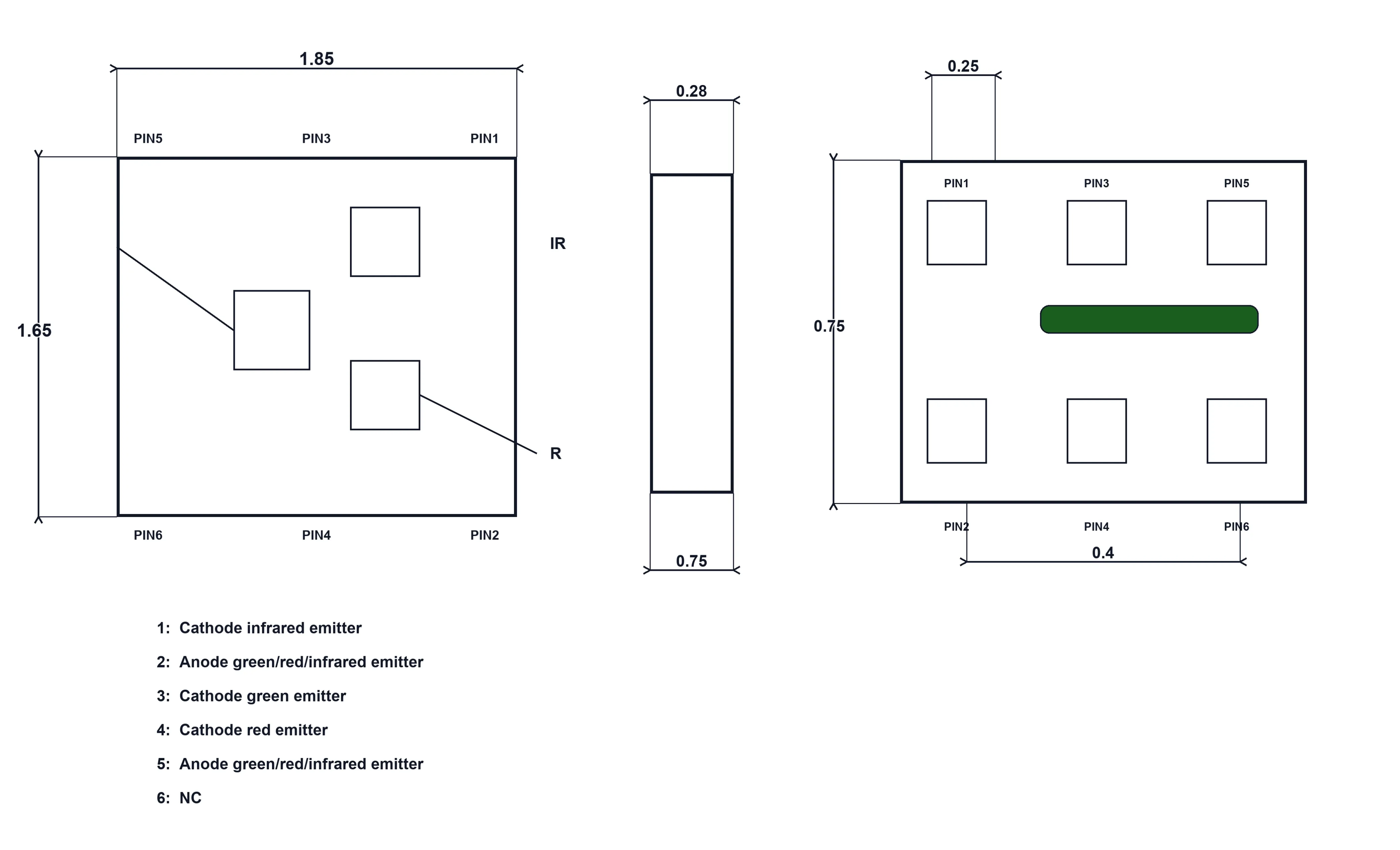
- Six-pin, water-clear 7016 SMD package
1. 520nm LED / 660nm VCSEL / 940nm VCSEL SMD 7016 Series for Component-Level Reflective PPG Optical Integration
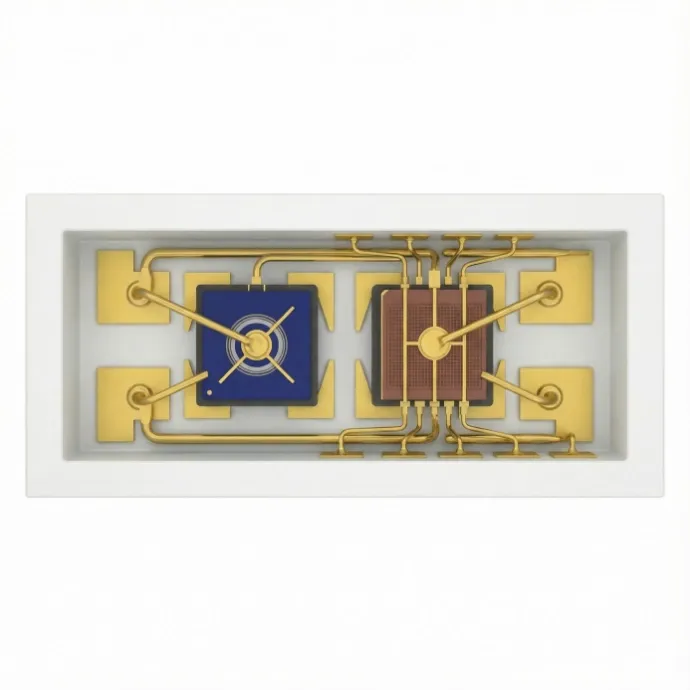
This 7016 SMD series combines a green LED channel, a 660nm red VCSEL channel and a 940nm near-infrared VCSEL channel in six-pin, water-clear packages for component-level reflective PPG optical-system evaluation. It is an optical emitter series, not a PPG sensor or a finished wearable device.
System accuracy, physiological interpretation, safety and regulatory suitability depend on the completed device and must be validated by the device manufacturer.
2. Available Models and Channel-Configuration Selection
The series contains a lower-output configuration and a higher-output configuration. At the 520nm, 660nm and 940nm center channels, the supplied lower-output table states 35mcd, 5.5mW and 7mW under its respective channel test currents; the supplied higher-output table states 50mcd, 10mW and 9mW under its respective channel test currents.
Model selection should preserve the source-stated channel measurement bases, drive conditions, optical path and completed-system requirements. Do not interpret the component values as sensor accuracy, physiological performance or finished-device output.
3. 7016 Package, Electrical Interface and PCB Integration
Both supplied configurations identify a six-pin, water-clear 7016 SMD package. Final electrical interface, channel drive arrangement, PCB layout, thermal path and optical coupling should be reviewed for the completed assembly.
The green LED and red and infrared VCSEL channels have separate source-stated test currents. Keep those conditions distinct during driver planning and engineering evaluation.
4. Evaluation, Documentation and Custom Development Support
The selected 7016 Series configuration is available as an Evaluation Kit with 10 pcs / KIT for early-stage comparison of channel drive, PCB integration, optical coupling and reflective PPG optical-system architecture.
For component-level project evaluation, an Initial Product Report covering the Laser Diode Series and VCSEL Laser Diode Chip Series has been filed with the U.S. FDA CDRH. This filing supports technical documentation and product evaluation.
For applicable products, CE, EMC, EN 60825, LVD, RoHS, REACH and halogen-free certification and compliance documents are available. Documentation depends on the corresponding product model and does not represent certification of the customer's finished device.
5. Frequently Asked Questions
Does the 7016 Series provide a finished reflective PPG sensor?
No. The series provides component-level green LED, red VCSEL and infrared VCSEL emitter configurations. The device manufacturer is responsible for sensor design, signal processing, accuracy, safety and finished-device requirements.
How do the two supplied 7016 configurations differ at the center channels?
The supplied lower-output table lists 35mcd at 520nm, 5.5mW at 660nm and 7mW at 940nm. The supplied higher-output table lists 50mcd at 520nm, 10mW at 660nm and 9mW at 940nm, under their respective stated test currents.
What should be confirmed before selecting a 7016 Series model?
Confirm channel drive, test conditions, optical coupling, package integration, PCB layout, thermal conditions and the requirements of the completed optical system.